
Machinery Prepared for Inspection and Transport
Heavy Equipment Cleaning in Winchester for construction, agricultural, and industrial machinery carrying mud, grease, and operational debris
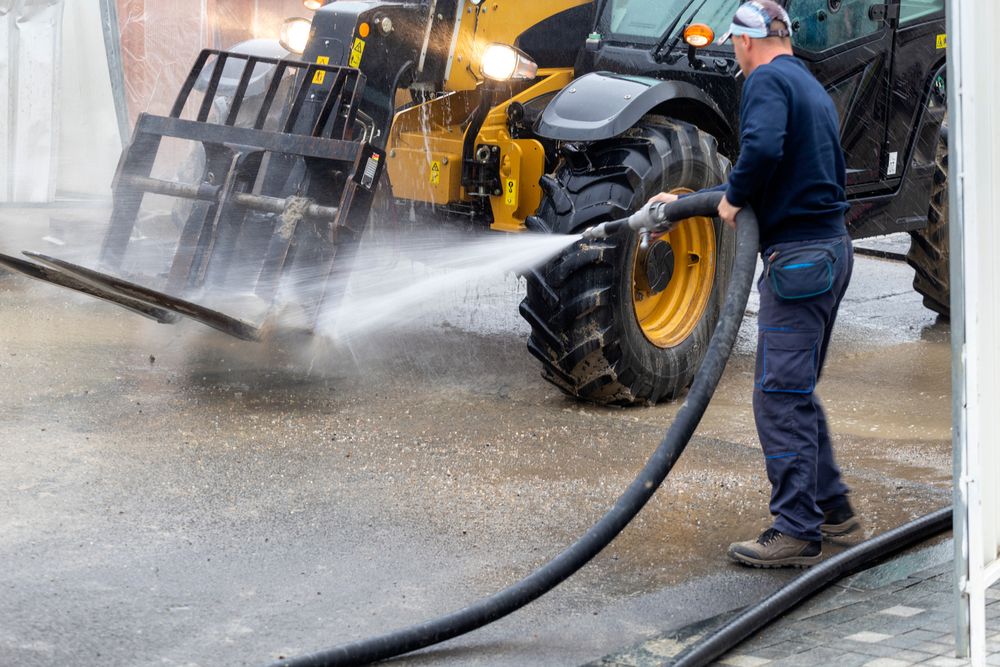
Equipment operators in Winchester work through conditions that coat machinery in layers of mud, grease, hydraulic fluid, and crop residue that obscure inspection points and create operational concerns. Cleaning construction equipment, agricultural machinery, and industrial vehicles removes these accumulations before inspections, transport, or routine maintenance work. J&T Pressure Washing uses equipment capable of handling the scale and soil levels common on dozers, excavators, combines, and similar machinery that standard washing cannot address effectively.
The cleaning process targets undercarriages, hydraulic components, and engine compartments where debris accumulation creates fire hazards or prevents proper equipment inspection. Removing caked mud from tracks and wheels restores proper function and reveals wear patterns or damage hidden beneath the buildup. Agricultural equipment benefits particularly from cleaning that removes crop material and chemical residues before storage or between different field operations.
Schedule a site-specific cleaning estimate to discuss equipment types, cleaning locations, and any access or environmental considerations.
What Equipment Cleaning Accomplishes Beyond Appearance
Heavy equipment cleaning begins with assessment of the machinery's condition and identification of areas where grease, hydraulic fluid, or debris requires specialized degreasing treatment before high-pressure washing. Water pressure and temperature settings adjust based on whether the target surface is painted steel, bare metal, rubber components, or hydraulic fittings that could be damaged by excessive pressure. The process includes removing debris from cooling fins, air intake screens, and radiator surfaces where blockage affects equipment performance.
Clean equipment reveals hydraulic leak points, cracked hoses, and structural damage that dirt previously concealed, allowing operators to address maintenance issues before they cause breakdowns. Inspection points become accessible again, and serial number plates or safety decals that were illegible under grime can be read and documented. Equipment prepared for sale or lease return shows significantly better presentation, and machinery moved between job sites arrives clean rather than spreading mud or crop debris to new locations.
Cleaning services adapt to various equipment sizes and can be performed at your facility, job site, or farm location depending on water access and environmental containment requirements. Some industrial coatings or specialized paint finishes may require lower pressure settings to prevent surface damage, and extremely heavy grease or oil deposits sometimes need multiple treatment cycles to fully remove.
What Equipment Owners Need to Know
Heavy equipment cleaning involves considerations beyond standard vehicle washing, including environmental regulations, surface protection, and coordination with maintenance schedules.
How does cleaning improve equipment inspection and maintenance?
Removing dirt and grease from hydraulic lines, structural welds, and mechanical components allows visual inspection to identify leaks, cracks, and wear that would otherwise remain hidden until failure occurs.
What environmental precautions apply to equipment washing in Winchester?
Cleaning locations must prevent contaminated runoff from entering storm drains or waterways, which typically requires containment systems or designated wash areas with proper drainage and filtration.
When should agricultural equipment be cleaned during the season?
Cleaning between different crop operations prevents cross-contamination and removes chemical residues, while end-of-season cleaning before storage prevents corrosion from trapped moisture and organic material.
What preparation helps the cleaning process work more efficiently?
Allowing caked mud to dry makes it easier to remove mechanically before washing, and identifying any damaged components or loose panels beforehand prevents high-pressure water from causing additional problems.
How does regular cleaning support equipment resale value?
Clean machinery shows better in listing photos and during buyer inspections, and the absence of heavy buildup suggests proper maintenance and care throughout the equipment's operational life.
J&T Pressure Washing works with equipment owners to schedule cleaning around operational needs and regulatory requirements. Reach out at (859) 621-7419 to arrange equipment cleaning at your location or discuss transportation to a designated washing facility.