
Vehicles That Present Your Business Properly
Fleet Wash in Winchester for company vehicles showing road grime, mud, and accumulated dirt from daily operations
Service vehicles covered in road grime and mud communicate neglect before your team ever speaks to a customer. J&T Pressure Washing provides routine cleaning for commercial fleets operating throughout Winchester and surrounding service areas, removing the dirt, salt residue, and environmental contaminants that accumulate during normal operations. The service adapts to different vehicle types and fleet sizes, from small contractor vans to larger truck fleets that require regular washing schedules.
Regular fleet washing removes more than surface dirt—it clears mud from wheel wells and undercarriages where debris accelerates corrosion, and it eliminates the salt and chemical films that winter roads leave on painted surfaces. Businesses operating service vehicles benefit from consistent cleaning that maintains professional appearance without pulling vehicles from service for extended periods. Flexible scheduling means trucks return to work clean without disrupting daily operations.
Request a fleet washing program quote tailored to your vehicle count and cleaning frequency needs.
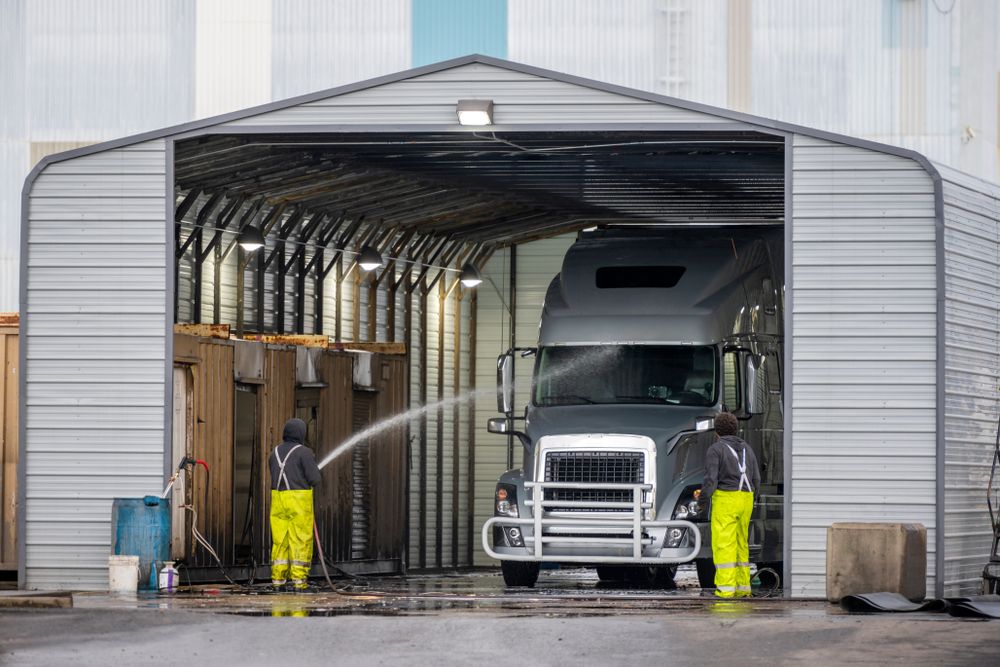
What Professional Fleet Washing Delivers
Fleet washing uses commercial-grade equipment that adjusts water pressure and temperature based on vehicle surface type, cleaning painted panels differently than aluminum tool boxes or vinyl graphics. The process includes wheel cleaning to remove brake dust and tire dressing to restore sidewall appearance. Vehicles with company graphics receive careful attention to prevent damage to decals and lettering that represent your brand.
After a fleet wash cycle, vehicles show clean body panels with visible paint color and shine instead of the dull film that road dirt creates. Company logos and contact information become legible again, and chrome or aluminum trim regains its reflective finish. The cleaning reveals minor body damage or paint issues that were hidden under dirt layers, allowing you to address maintenance needs before they worsen.
The service focuses on exterior cleaning and does not include interior cab cleaning or engine detailing. Washing frequency recommendations vary based on vehicle usage patterns, with daily-use service trucks in muddy or dusty conditions requiring more frequent cleaning than vehicles primarily operating on paved roads.
Answers to Frequent Fleet Washing Questions
Fleet managers need practical information about cleaning schedules, service logistics, and how regular washing fits into broader vehicle maintenance programs.
How often should service vehicles be washed to maintain professional appearance?
Vehicles operating in construction or landscaping environments typically need weekly washing, while trucks primarily running paved routes maintain acceptable appearance with bi-weekly or monthly cleaning cycles.
What contaminants does regular washing prevent from damaging vehicles?
Road salt, agricultural chemicals, and industrial fallout create corrosive films on paint and metal surfaces that regular washing removes before they etch or oxidize the finish underneath.
How does fleet washing work around business operations in Winchester?
Washing schedules coordinate with your dispatch and service calendar, cleaning vehicles during downtime or rotating through the fleet to avoid removing multiple trucks from service simultaneously.
What results can be expected on heavily soiled work trucks?
Most mud, dirt, and road grime lifts completely with professional equipment, though some staining from tar, asphalt, or industrial materials may require specialized treatment beyond standard washing.
When should graphics and lettering be inspected during washing?
Each wash cycle provides opportunity to check for peeling edges, fading, or damage to vehicle graphics, allowing timely repair before small issues require complete graphic replacement.
J&T Pressure Washing develops customized fleet washing programs based on your vehicle types, usage patterns, and budget requirements. Call (859) 621-7419 to discuss scheduling options and arrange an initial fleet assessment.